 Viberate
Yusef Lateef
 USAJazz, Bebop, Smooth Jazz
N/A monthly listeners
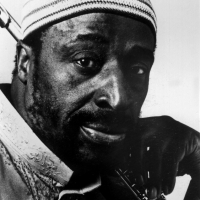 USAJazz, Bebop, Smooth Jazz

American jazz musician Yusef Lateef, who was born in Detroit, made a huge impact on the bebop movement. As a talented musician, Lateef was able to play a variety of instruments, including the flute, oboe, and tenor saxophone. He was regarded as a forerunner of world music because of his distinctive approach to fusing Western and Eastern musical traditions.
High levels of improvisation characterized Lateef's approach to bebop, and he frequently blended elements of Middle Eastern, swing, and blues music into his works. Complex rhythms, nuanced melodies, and a strong feeling of groove were characteristics of his music. Lateef's use of the oboe and other unusual instruments gave his music a distinctive texture, and his spectacular performances won him praise from both listeners and his fellow musicians.
There is still evidence of Lateef's influence on the bebop genre in modern jazz. Numerous performers have been motivated by his creative approach to fusing musical traditions to push the boundaries of what is possible in jazz. The legacy of Lateef is proof of the continuing ability of jazz music to bridge cultural divides and unite people through the common language of music.
A jazz and bebop musician from Detroit, Michigan, Yusef Lateef has created a number of well-known songs throughout the course of his career. His most well-known songs include "Michelle," "Love Theme From Spartacus - Remastered," "Like It Is - Remastered," "The Plum Blossom - Rudy Van Gelder Remaster," and "First Gymnopedie." These songs highlight Lateef's saxophone prowess and his capacity to create complicated melodies that entertain listeners.
Another well-liked song by Lateef is "Don't Blame Me - Rudy Van Gelder Remaster," a reflective and soulful ballad that exemplifies his capacity to infuse his music with feeling and depth. Another well-known song that showcases Lateef's technical proficiency and his capacity to produce a rich and textured sound is "Love Theme From The Robe - Rudy Van Gelder Remaster".
Among Lateef's other well-known songs are "Oscarlypso - Live At Pep's Lounge, Philadelphia / 1964," "Nubian Lady - 1972," and "Ching Miau - Rudy Van Gelder Remaster." These songs highlight Lateef's musical range and his capacity to make music that is both challenging and approachable.
Overall, the worlds of jazz and bebop have been greatly influenced by Yusef Lateef's music. He has earned a spot in the hall of fame of great jazz musicians thanks to his creative approach to music, technical proficiency, and capacity to write music that connects with audiences.
A jazz and bebop music legend from Detroit, Yusef Lateef has recently released a number of albums and singles that highlight his extraordinary talent and originality. "Yusef Lateef Plays Yusef Lateef, Vol. 2" and "Yusef Lateef Plays Yusef Lateef, Vol. 1," both of which were released in 2020, are among his most recent albums. On these albums, Lateef performs his own compositions, showcasing his proficiency on the flute and saxophone. Lateef continues to inspire and have an impact on musicians all around the world with his distinctive fusion of jazz, world music, and spiritual themes.
"Akinuba / The Heart," Lateef's most recent single, was released in 2021 and is a lovely and passionate ode to his African ancestry. His distinctive saxophone playing is mixed with African chants and rhythms on this track. The singles "Nubian Lady (Metisse Remix)" from 2019 and "The Diverse Yusef Lateef" and "Rhino Hi-Five: Yusef Lateef," both from 2006, are examples of more recent releases. These songs highlight Lateef's musical diversity and breadth, ranging from melancholy ballads to exhilarating jazz improvisations.
With his inventive approach to jazz and dedication to spiritual and cultural issues, Lateef's work continues to inspire and have an impact on generations of artists. His legacy will endure for years to come, and his music is a testimony to the strength of imagination and creativity. Yusef Lateef's albums and singles are must listening for anyone who enjoys jazz and world music, regardless of whether you are a longtime admirer or a beginner to his music.
American jazz and bebop great Yusef Lateef, a native of Detroit, has performed at several concerts and festivals over the years. At the Usadba Jazz Festival, which is renowned for its top-notch performances, he made one of his remarkable festival appearances. At the event, Lateef gave a performance that could only be described as amazing, mesmerizing the audience with his virtuosity playing and beautiful songs.
Lateef performed in a variety of events in addition to the Usadba Jazz Festival, such as the Newport Jazz Festival, the Monterey Jazz Festival, and the Village Vanguard. Lateef's performance at the Newport Jazz Festival mixed jazz and world music, displaying his musical diversity. Another notable instance of his work was his appearance at the Monterey Jazz Festival, when he performed with other jazz greats including Miles Davis and Thelonious Monk.
In addition, Lateef's music has been used in a number of movies and TV shows, such as "The Cosby Show" and "School Daze." Over the course of his career, he released over 70 albums, making him a prolific performer. Despite his dying in 2013, his music still inspires and has an impact on musicians all around the world.
The Usadba Jazz Festival, Newport Jazz Festival, and Monterey Jazz Festival are just a few of the locations and festivals where Lateef has performed, and his contributions to the jazz and bebop music scenes are immeasurable. He has become a true icon in the jazz community thanks to the continued acclaim and admiration for his music.
The American jazz multi-instrumentalist Yusef Lateef has worked with numerous performers over the course of his career. Some of his notable projects with others include "My Heart Stood Still" with Stacey Kent and Tommy Flanagan, "Akinuba/The Heart" with Web Web and Max Herre, "No Problem" with Tommy Flanagan and Clark Terry, "Nahstye Blues" with Tommy Flanagan and Clark Terry, and "Brother Terry - Remastered" with Clark Terry.
On the song "My Heart Stood Still," performed with Stacey Kent on vocals and Tommy Flanagan on piano, Lateef plays the tenor saxophone. The song is a superb illustration of Lateef's ability to combine many musical genres, in this case jazz and swing. Jazz lovers will enjoy Kent's seductive, smooth voice as it gives the tune a special touch and makes it a joy to listen to.
Another notable partnership is "Brother Terry - Remastered," which Lateef and Clark Terry created together. Terry's trumpet playing and Lateef's saxophone playing blend flawlessly to produce a sound that is both rich and powerful. The song emphasizes the talent of both musicians as well as their capacity for improvisation and playing off one another.
In conclusion, some of the most influential jazz and bebop music ever created was a result of Yusef Lateef's collaborations with a variety of musicians. His propensity to mix many musical genres and techniques has made him a legend in the music business, and his musical variety is evident in his work with Stacey Kent, Tommy Flanagan, Clark Terry, and Web Web.
Viberate is a professional music analytics service that provides a complete data overview of Yusef Lateef, covering audience data, Spotify playlists and stats, individual track performance, and cross-platform metrics including Spotify, YouTube, streaming, and radio airplay analytics. The platform also includes full social media analytics across Instagram, TikTok, and Facebook, as well as insights from Apple Music playlists, SoundCloud, Beatport, Shazam, and Deezer, alongside artist charts, streaming charts, genre charts, and genre analytics to support A&R discovery, benchmarking, and strategic decision-making.
